resources
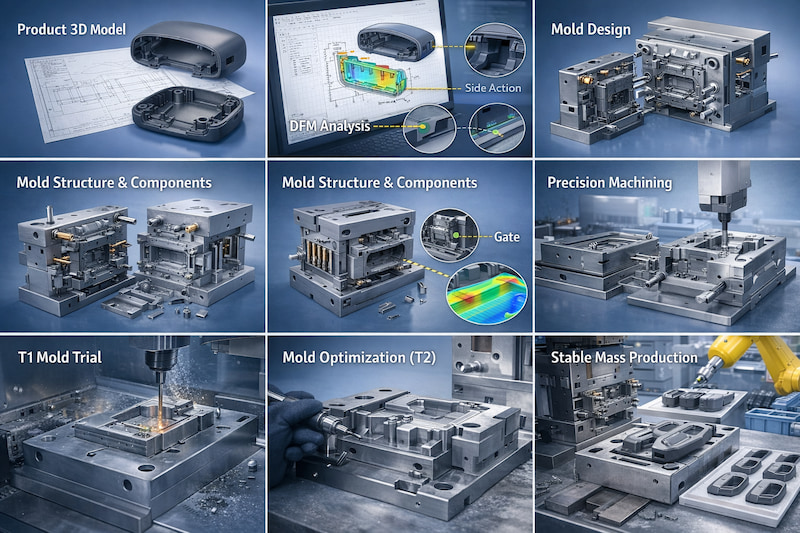
Plastic injection molding is one of the most widely used manufacturing processes for producing plastic parts in large quantities. The process involves injecting molten plastic material into a mold cavity where it cools and solidifies into the final product.
Our injection molding machines range from 20 tons to 680 tons, allowing production of both small precision parts and larger components., electronic accessories, industrial components, and medical accessories due to its efficiency, repeatability, and high production capability.
Key advantages
• High production efficiency
• Consistent part quality
• Suitable for complex geometries
• Wide range of plastic materials
• Cost-effective for mass production
Injection molding supports production from prototype to high-volume manufacturing.
2️⃣ Injection Molding Process Explained
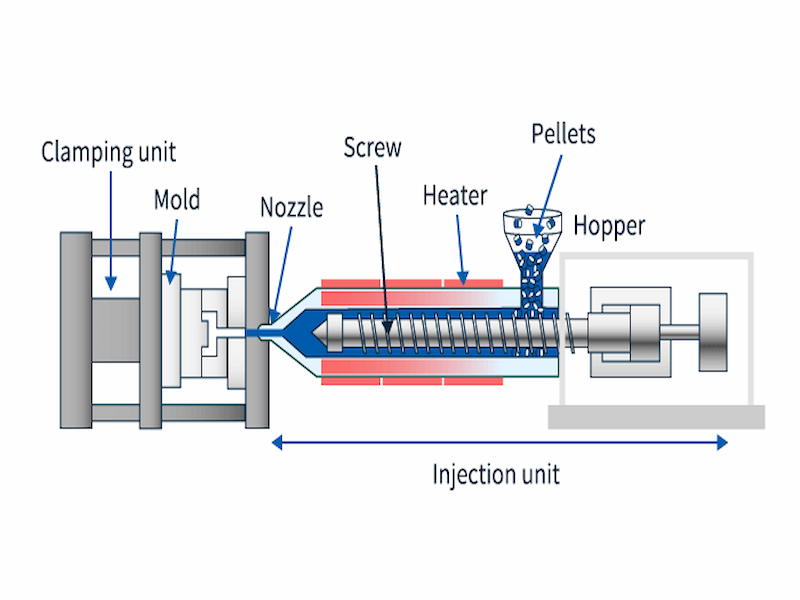
The injection molding process consists of several stages that transform raw plastic material into finished parts.
Main steps include
Material feeding – Plastic pellets are loaded into the injection molding machine.
Heating – The material is heated until it becomes molten.
Injection – Molten plastic is injected into the mold cavity under pressure.
Cooling – The plastic cools and solidifies inside the mold.
Ejection – The finished part is ejected from the mold.
The entire cycle can take only a few seconds
3️⃣ Common Plastic Materials for Injection Molding
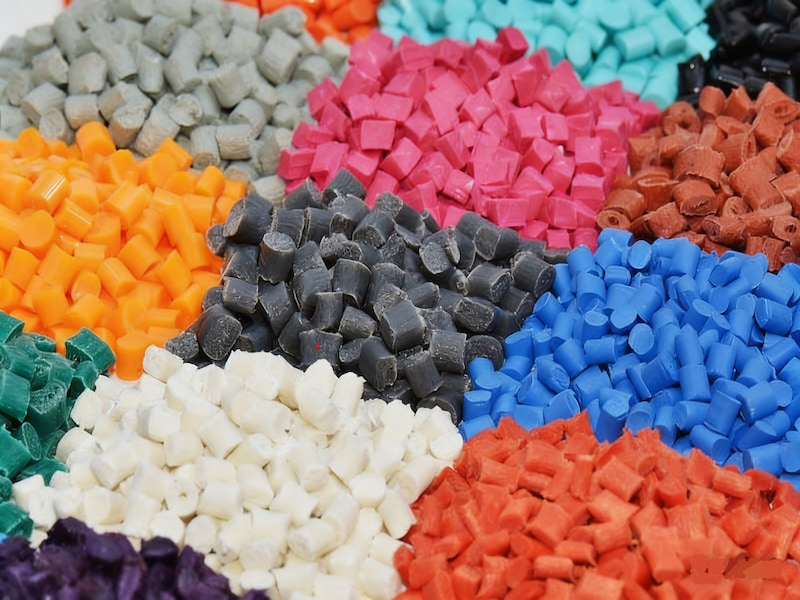
Different plastic materials are used depending on mechanical performance, temperature resistance, and product application.
Common materials include
ABS – Good impact resistance and easy processing
PC – High strength and transparency
PP – Lightweight and chemical resistant
PA (Nylon) – Strong and wear resistant
POM – Excellent dimensional stability
TPE – Flexible and rubber-like
Material selection plays a key role in product performance and manufacturing cost.
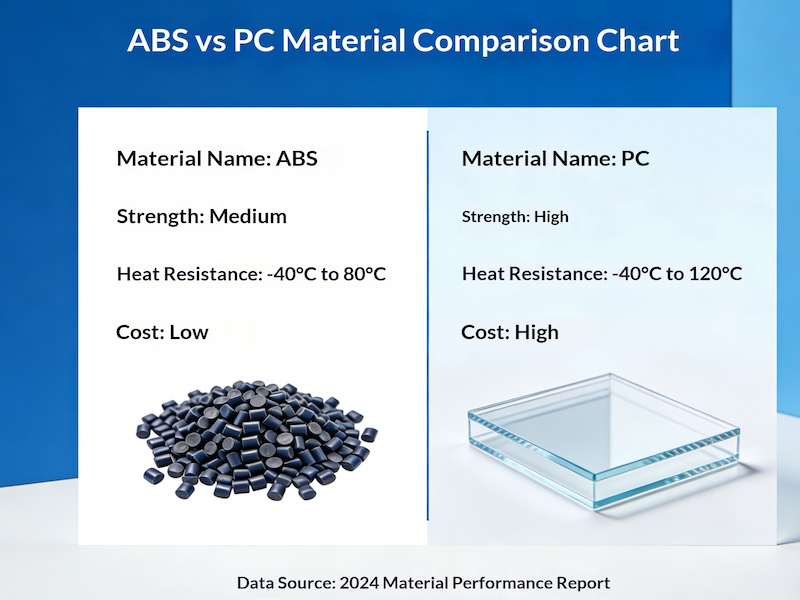
4️⃣ ABS vs PC Plastic: What’s the Difference?
ABS and PC are two commonly used engineering plastics in injection molding.
ABS
• Good toughness
• Easy to mold
• Cost-effective
• Widely used in consumer products
PC
• Higher strength
• Excellent impact resistance
• High temperature resistance
• Suitable for technical applications
Choosing between ABS and PC depends on product requirements, strength needs, and environmental conditions.
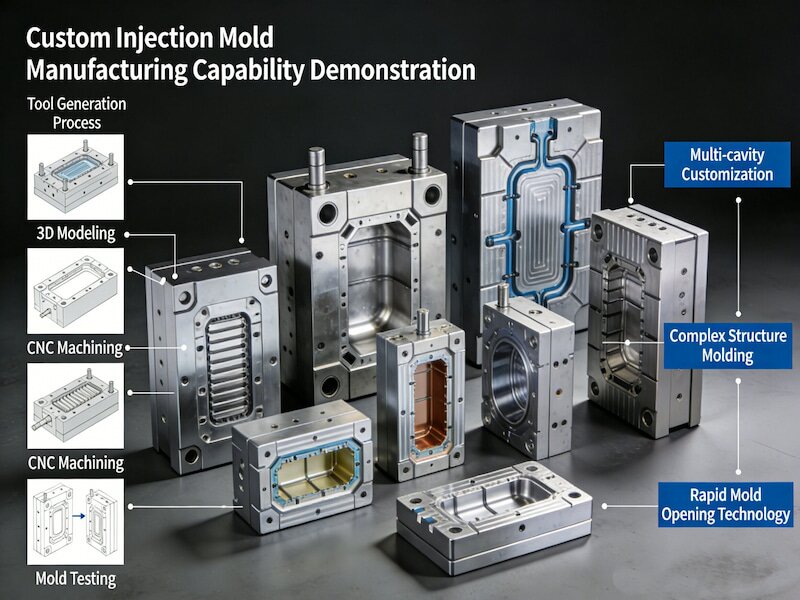
5️⃣ Basics of Injection Mold Design
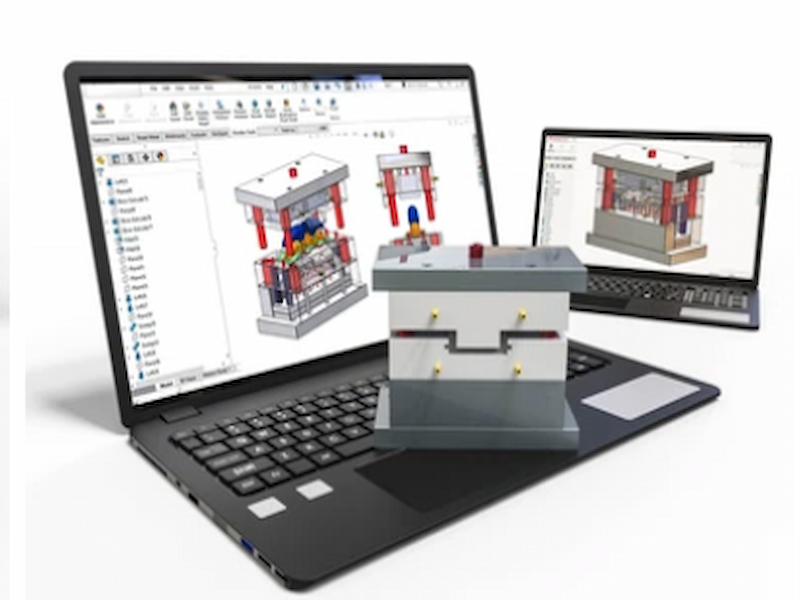
Injection mold design is an important step in plastic part manufacturing. A well-designed mold improves product quality, reduces production issues, and extends tooling life.
Key factors in mold design include:
• Part geometry and wall thickness
• Gate location
• Cooling system design
• Mold material selection
• Ejection system design
Proper mold design ensures stable production and consistent product quality.
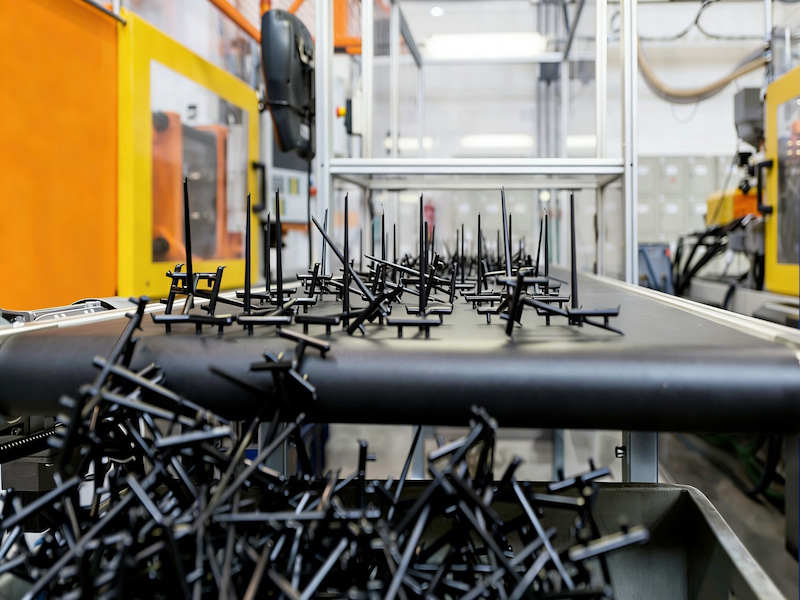
6️⃣ Understanding Mold Life and Tooling Options
Different tooling solutions are available depending on production volume and product lifecycle.
Prototype molds
Typically used for early product testing and design verification.
Bridge molds
Used for medium production volumes while waiting for full production tooling.
Production molds
Designed for long-term manufacturing and large production volumes.
Selecting the right mold type helps control manufacturing cost and project risk.
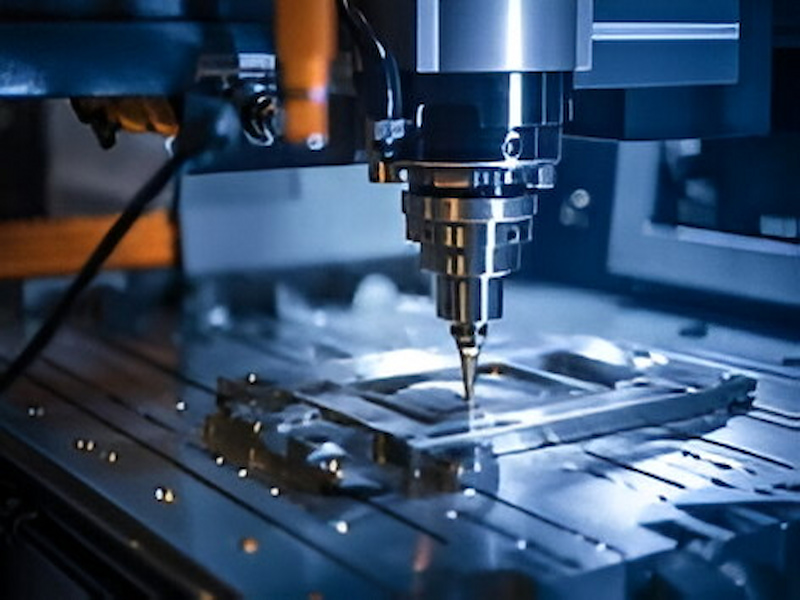
7️⃣ CNC Machining vs Injection Molding
Both CNC machining and injection molding are common manufacturing methods for plastic and metal parts.
CNC machining
• Ideal for low-volume production
• High precision
• No mold required
Injection molding
• Suitable for large production volumes
• Lower cost per part at scale
• High production efficiency
Many projects start with CNC prototypes before moving to injection molding for mass production.
8️⃣ Plastic Part Design Tips for Injection Molding
Good product design improves manufacturability and reduces production issues.
Design recommendations
• Maintain uniform wall thickness
• Avoid sharp corners
• Use proper draft angles
• Design ribs for structural strength
• Consider material shrinkage
Design optimization during early development helps reduce tooling cost and improve production efficiency.

Copyright © 2026 Xiamen Heyuexin Technology Co., Ltd. All Rights Reserved.
leave a message
Scan to Wechat :

Scan to Whatsapp :