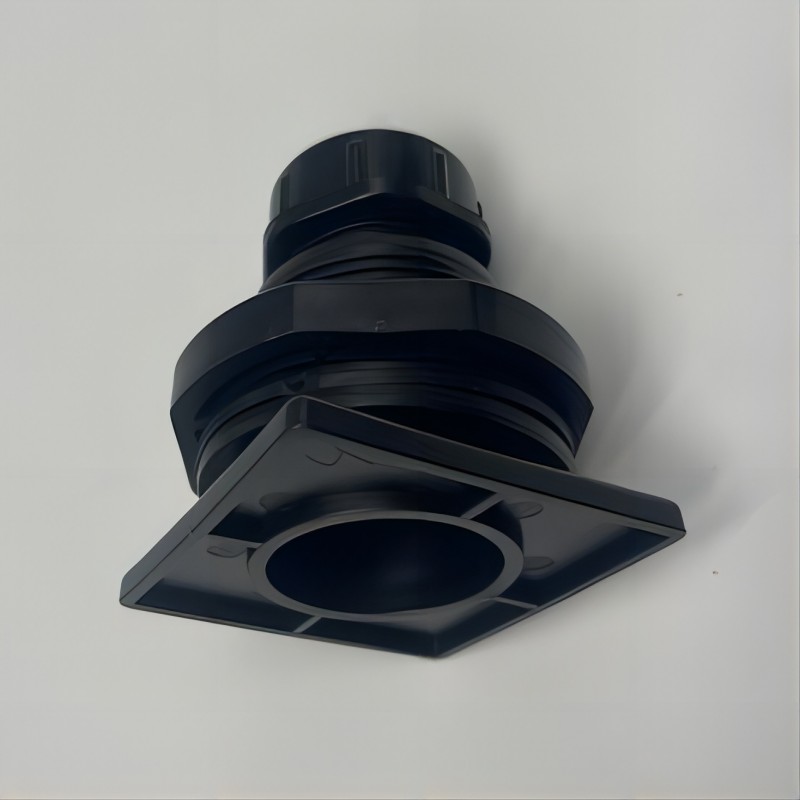
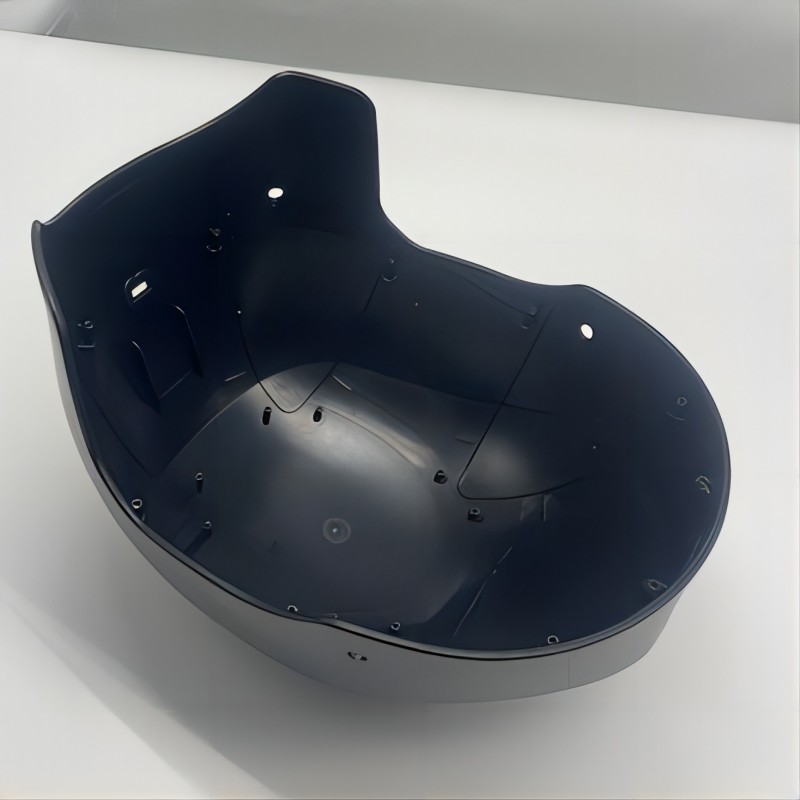
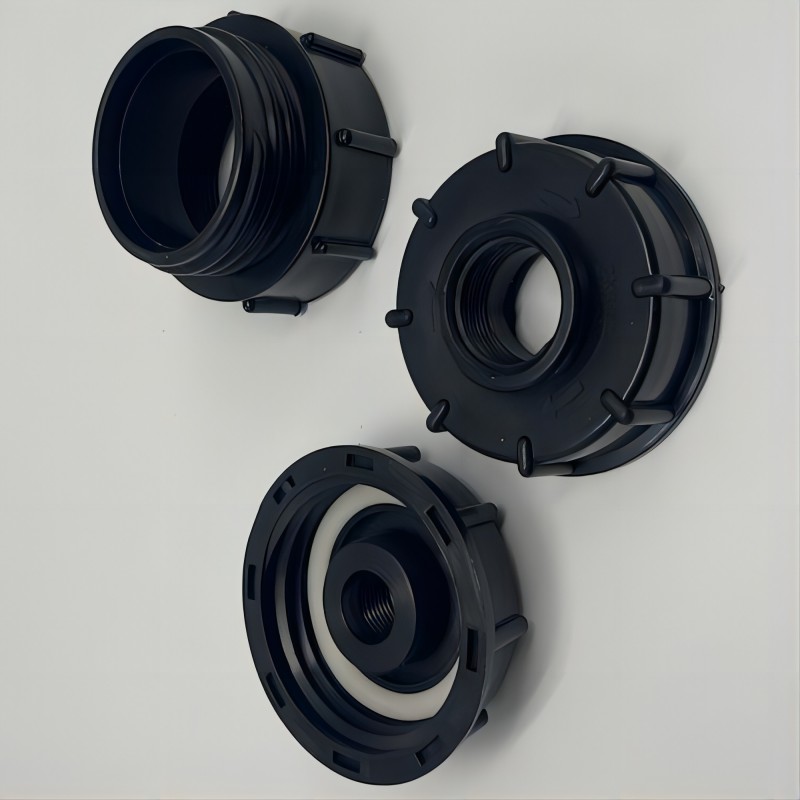
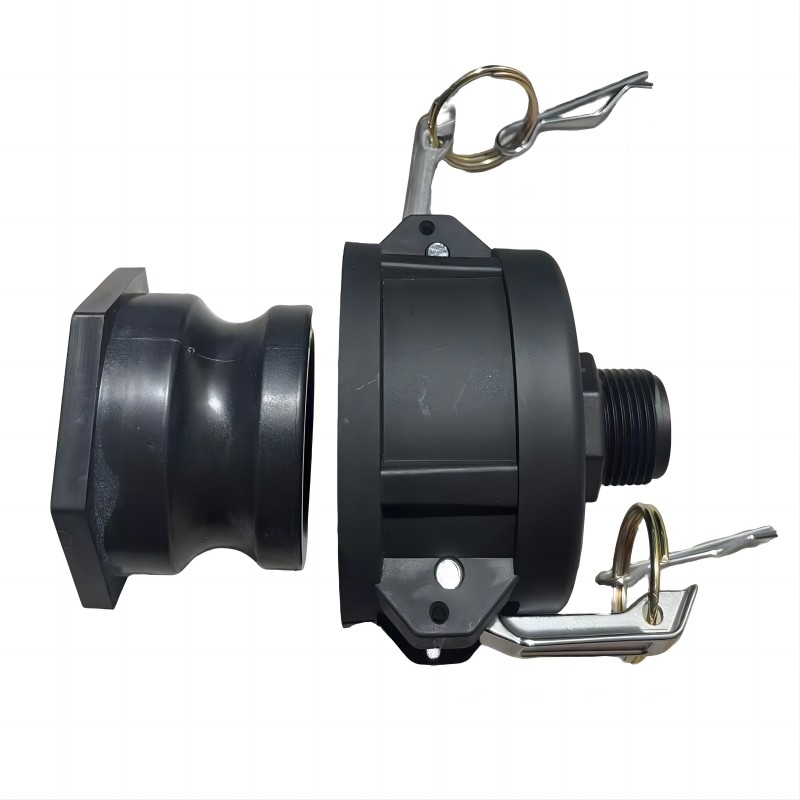
Choosing the right plastic material is one of the most important decisions in any injection molding project. The material determines how your part performs in the field, how it looks, how much it costs, and even how the mold must be designed and built. This guide explains the key selection factors, compares the most common injection molding materials, and shows how your material choice affects mold design — so you can make a confident decision before tooling begins.
No single plastic is best for every application. Evaluate your part against these seven factors:
Consider the strength, stiffness, and impact resistance your part needs. A structural bracket that carries load requires a stiff, strong resin such as glass-filled nylon or polycarbonate, while a lightweight housing with moderate strength may be fine with ABS or PP.
If the part operates near heat sources, under the hood, or in hot environments, check the material’s heat deflection temperature (HDT). PC, PA66, PBT and PPS handle elevated temperatures, while PP and PE soften at lower temperatures.
Exposure to oils, solvents, cleaning agents, moisture, or UV can degrade some plastics. PP and PE resist most chemicals, POM resists solvents and fuels, and PA absorbs moisture — which can change its dimensions and mechanical properties.
Every plastic shrinks as it cools after molding. Materials with low and predictable shrinkage, such as ABS, PC and POM, are easier to hold tight tolerances. Glass-filled grades shrink less than their unfilled versions.
For visible consumer products, consider the achievable surface texture, gloss, and whether the material accepts painting, plating, or laser marking. PMMA gives excellent optical clarity, ABS takes cosmetic textures well, and PC can be supplied in clear grades.
Depending on your market, your material may need to meet standards such as FDA (food contact), UL (flammability), RoHS, REACH, or NSF. Confirm compliance early — switching materials late in the project is expensive.
Commodity plastics like PP, PE and ABS are inexpensive and widely available. Engineering and high-performance resins such as PEEK, PPSU or specialty blends cost significantly more and may have longer lead times. Balance performance against your target price.
| Material | Key Characteristics | Typical Applications |
|---|---|---|
| ABS | Good impact strength, easy to mold, excellent surface finish, low cost | Housings, enclosures, consumer products, automotive interior parts |
| PC (Polycarbonate) | High impact strength, transparent, good heat resistance | Transparent covers, lenses, electrical enclosures, protective equipment |
| PC/ABS Blend | Balanced toughness and processability, good heat and impact performance | Electronics housings, automotive parts, appliances |
| PP (Polypropylene) | Lightweight, excellent chemical resistance, low cost, good fatigue resistance | Containers, caps, living hinges, household goods, automotive parts |
| PE (Polyethylene) | Very low cost, good chemical resistance, tough at low temperatures | Bottles, caps, fittings, industrial containers |
| PA66 / PA6 (Nylon, incl. glass-filled) | High strength and stiffness, wear resistance; absorbs moisture | Gears, structural parts, bushings, under-hood components |
| POM (Acetal) | High stiffness, low friction, excellent dimensional stability | Gears, bearings, pulleys, precision mechanical parts |
| PMMA (Acrylic) | Excellent optical clarity, scratch resistance, UV resistance | Lenses, displays, light guides, decorative parts |
| PBT | Good electrical properties, dimensional stability, heat resistance | Connectors, coils, electronic components |
| TPE / TPU | Elastic and flexible, good grip and soft-touch feel | Seals, gaskets, overmolded grips, soft-touch handles |
Your material selection directly drives mold design decisions:
The mold cavity is machined larger than the final part to compensate for shrinkage. Materials with high or variable shrinkage (PP, PA, POM) require careful cavity sizing and often additional mold trials to hit tight tolerances.
High-flow materials fill thin walls easily, while viscous materials such as PC or glass-filled nylon may need larger gates, thicker walls, or additional flow channels. The gate location also affects weld lines, which are more visible in some resins.
Materials with high melt temperatures need more cooling time, extending the production cycle and part cost. Efficient cooling channel design in the mold helps reduce cycle time and improves dimensional stability.
Abrasive materials such as glass-filled or mineral-filled resins wear mold steel faster. For these materials, hardened or coated mold steels are recommended to maintain cavity dimensions and extend mold life.
Material selection is a team effort between you and your molding partner. At Heyuexin Technology, our engineering team reviews every new project with a design-for-manufacturing (DFM) analysis. We help you evaluate material options against your performance requirements, budget, and target market, recommend the most cost-effective resin, and validate the design with prototypes and mold trials before mass production.
Whether you are developing a new product or improving an existing part, we are ready to support you with material selection, mold design, and reliable injection molding production.
Send us your drawings or specifications for a free DFM review and quotation — our team will recommend the right material and manufacturing solution for your project.

Copyright © 2026 Xiamen Heyuexin Technology Co., Ltd. All Rights Reserved.
leave a message
Scan to Wechat :

Scan to Whatsapp :


 Product categories